Key Takeaways
You wear one color and look fresh, then another and look tired
Understand what color analysis really is and what it is not
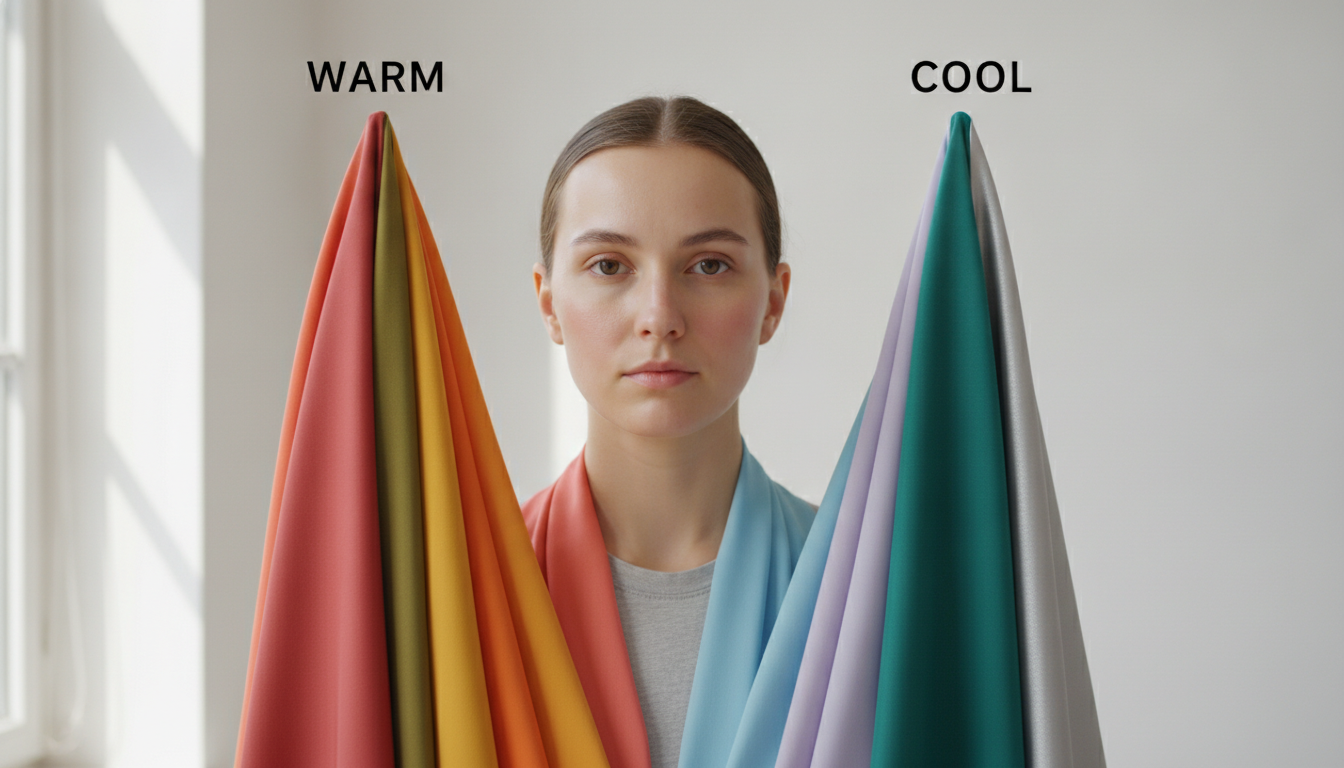
Learn the beginner color signals that determine your personal color palette
Signal 1: Warm vs cool (temperature)
Signal 2: Light vs deep (value)
Signal 3: Bright vs soft (chroma)
Signal 4: Your overall contrast level
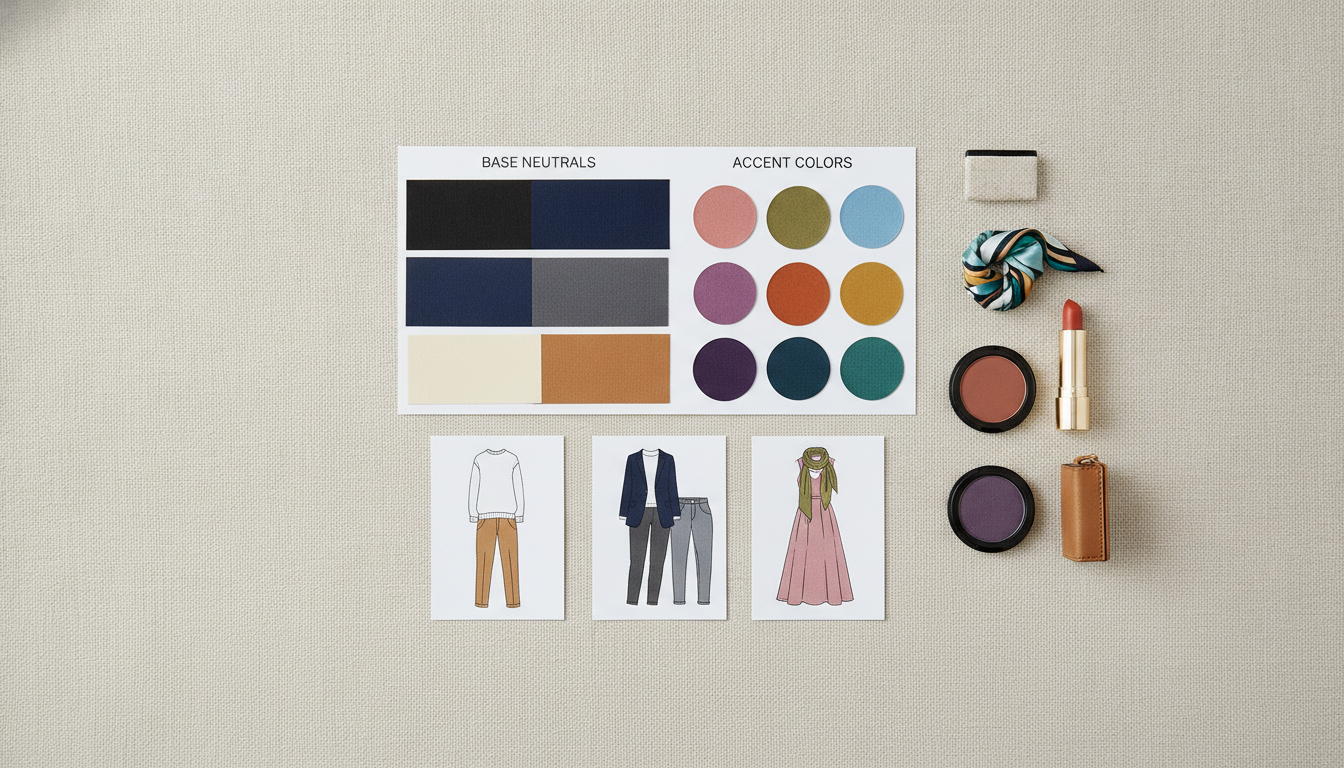
Turn your palette into a smarter wardrobe and fewer wasted purchases
Choose a color analysis online course that teaches results, not rules
A quick checklist before you pay
Watch-outs that lead to wrong conclusions
Closing remarks
Explore color and styling courses at Milan Fashion Campus
FAQ
What is color analysis?
Color analysis is the process of finding which colors suit you best based on your skin’s undertone, depth, and contrast. The goal is a small set of colors that make your face look more even and rested, with less need to “fix” things using makeup.
Can I learn color analysis online?
Yes. Online learning works well if you use consistent lighting, take a few reference photos, and practice comparing fabrics near the face. It fails when photos are heavily edited or lighting changes a lot, so focus on simple, repeatable setup steps.
What is a personal color palette?
A personal color palette is a curated group of colors that repeatably flatter you. It often includes your best neutrals, accent colors, and a few “easy wins” for tops near the face. Think of it as a shopping filter you can apply fast.
Do I have to wear only my best colors?
No. Your best colors are a shortcut, not a rule. If you love a harder color, move it away from your face, wear it in smaller amounts, or balance it with one of your best neutrals. The priority is what’s near the face.
Is color analysis useful for stylists?
Yes. It helps stylists make faster, clearer choices for clients by narrowing options early. It works best for wardrobe planning, headshots, and capsule edits. It is less helpful when the main goal is a specific trend look or costume styling.
Do personal color palettes change over time?
Your basic undertone and contrast usually stay stable, but your “best” set can shift with hair color, tanning, aging, and makeup choices. If you notice your go-to shades suddenly look off for weeks, recheck your neutrals and top colors first.
Get in touch