-------------------------------------

Key Takeaways

  • The best online styling class matches your goal, time, and feedback level, not just the course length

  • A solid course should teach a repeatable styling process plus portfolio-ready outputs

  • You can evaluate a class in 10 minutes by checking outcomes, projects, and instructor support

You want to style like a pro, but random tutorials are not getting you there

You can put together outfits that look fine, but the moment you need a cohesive story, things get shaky. One day you are copying a “capsule wardrobe” reel, the next you are trying a color trick from a random creator, and your closet ends up feeling like a pile of disconnected ideas.

That usually shows up fast when a client brief is specific, like “creative but polished for a tech conference” or “summer wedding guest, not too formal.” You can pick pieces, but you cannot clearly explain why they work together, or repeat the result next week with different items.

Next, here is the benchmark that helps you set expectations without getting discouraged: most learners need 4 to 8 weeks of focused practice to see consistent styling results. Random tutorials can give you one-off wins, but they fail when you need repeatable decisions under a constraint like a budget, a dress code, or a 30-minute styling deadline.

If you do one thing, make your learning about selection, not inspiration. Use a simple selection framework that you can apply to any closet or shopping rack:

  • Outcome: where the look is going and what it must do (meeting, date, shoot, travel day)

  • Silhouette: the main shape you want (column, A-line, oversized top with slim bottom)

  • Color plan: 2–3 main colors plus 1 accent

  • Texture and weight: what makes it look intentional (denim, wool, satin, knits)

  • Finish: shoes, bag, and 1 focal accessory

If you’re short on time, skip deep trend research and do this instead: build 3 repeatable outfit “recipes” (for example: blazer + tee + straight-leg jean; knit set + long coat; slip skirt + chunky sweater) and practice swapping only one variable at a time (color, shoe, or outerwear).

Choose online styling classes based on your exact outcome

Next, get specific about what you want to be able to do at the end of the course, not just what you want to learn. “Styling” can mean everything from helping a friend clean up their wardrobe to building product looks for an online store, and a course that fits one goal can waste time for another.

If you do one thing, write a one-sentence outcome like: “In 8 weeks, I want to build 10 complete looks for an e-commerce brand with consistent lighting and clear product priorities.” That sentence becomes your filter when comparing classes.

Identify your target styling path

Also, pick the track that matches the work you actually want to do. Each track needs different practice time and different feedback.

  • Personal styling: closet edits, body-proportion basics, shopping lists, client intake calls (30 to 60 minutes)

  • Editorial styling: moodboards, storytelling, pulling items, working with photographers and HMU, on-set problem solving (half-day shoots)

  • E-commerce styling: repeatable outfit formulas, fit consistency, pinning and steaming speed, shot lists, QC for product pages (20 to 40 looks per day on busy shoots)

  • Styling for brands: campaign direction, brand guidelines, budget and sourcing, team coordination, delivering options for approval (2 to 3 rounds of selects)

Here’s the catch: a course heavy on “finding your style” works best for personal styling, but it often fails for e-commerce where consistency and pace matter more than originality. If your goal is editorial, avoid classes that only show flat-lays and never cover on-set workflow.

Set constraints so you pick a course you can finish

That said, the best class on paper still will not help if it does not fit your week. Set your constraints before you buy, so you do not end up stuck halfway through.

  • Weekly hours: If you can only do 2 to 3 hours, choose a course with short lessons and one repeatable weekly assignment

  • Deadline: If you need a portfolio refresh in 4 weeks, skip broad fashion history modules and focus on building 6 to 12 finished looks

  • Budget: Plan for small styling costs (basic tools, returns buffer, or one prop run) so practice does not stall

  • Coaching vs self-paced: Coaching helps most when you need fast corrections (fit, proportion, color balance). Self-paced is fine if you can compare your work to clear examples and redo it without external pressure

Common mistake: picking a course with live sessions at times you cannot attend, then falling behind by week two. Fix it by choosing either fully self-paced, or a cohort with recordings and a clear way to get feedback within 48 to 72 hours.

Use a quick checklist to spot a high-quality styling course

Next, switch from gut feel to a fast, repeatable check you can apply in 10 minutes before you buy. A good course should tell you exactly what you will be able to do by the end, show you how each week builds toward that result, and prove you will produce real work, not just watch videos.

If you do one thing, do this: match the course promise to a portfolio-style deliverable. “Understand styling” is vague, but “style 3 outfits for 3 body types and photograph them for a mini lookbook” is measurable and easier to judge before you enroll.

Quick checklist: what to look for in the course itself

  • Clear learning outcomes you can repeat back in one sentence

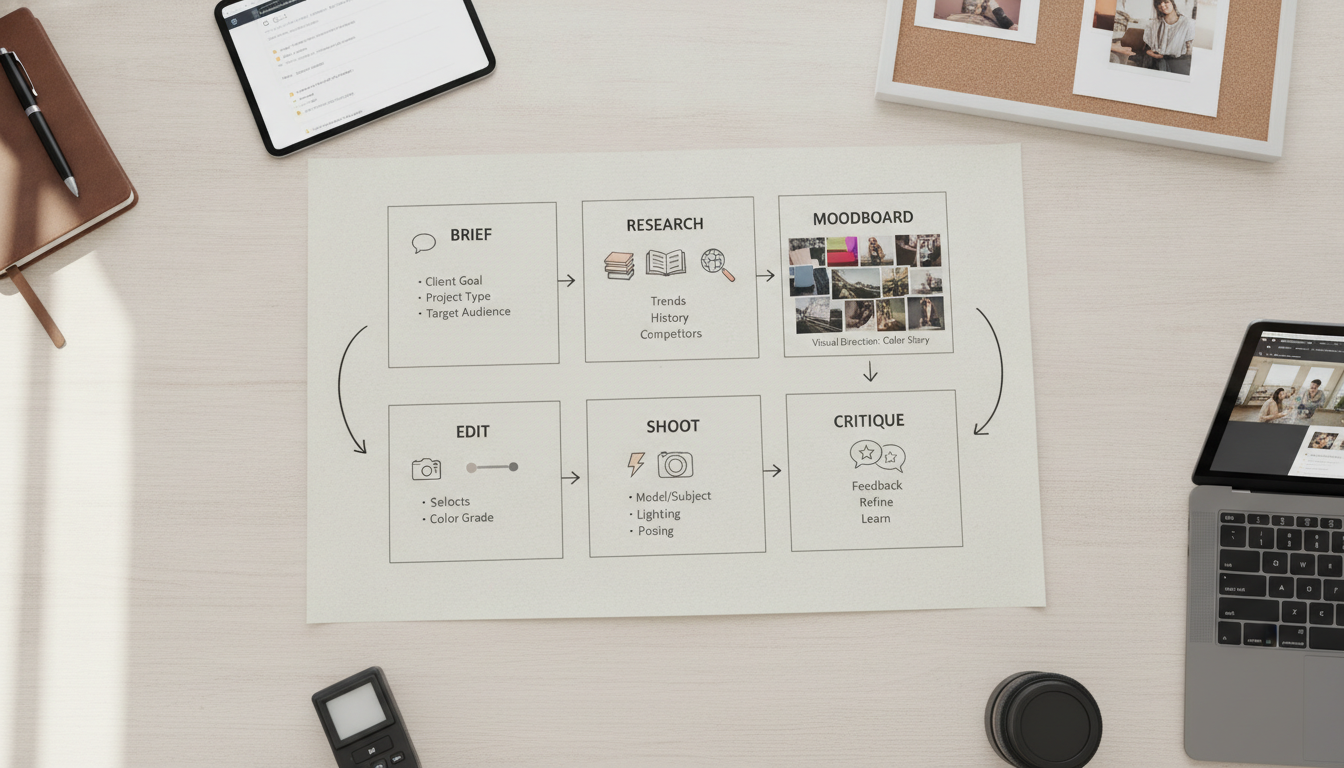
  • A structured method (for example: brief, concept, pull, fit, shoot, review) instead of random tips

  • Hands-on assignments each week, not only quizzes or watching

  • Portfolio deliverables (lookbook, styled shoot plan, client deck, outfit formulas) you can show within 2 to 4 weeks

  • Before/after examples of student work so you can see the bar

Verify support: how feedback actually works

  • Feedback cadence (for example: weekly notes on submissions vs “occasional” comments)

  • Critique format (annotated photos, written notes, live review, or recorded screen feedback)

  • Who gives feedback (lead instructor, assistants, or peer-only)

  • Community access (peer critique prompts, office hours, or 1:1 guidance) and how often it happens

Here’s the catch: a course can be great content but still fail you if feedback is too slow. If you are short on time, skip courses that hide assignment details until after you pay, and choose one that shows example briefs and grading or review criteria up front.

Common mistake and quick fix

  • Mistake: choosing based on vibes, aesthetics, or follower count

  • Fix: ask “What will I produce in week 1 and week 4, and who reviews it?” and only move forward if the answer is specific

Start strong with a simple first-week styling plan

Next, give yourself a first week that produces something you can point to, not just saved posts and half-finished ideas. A simple plan also makes it easier to spot what you actually need to learn, because your gaps show up on the page.

If you do one thing, build a baseline you can repeat every time you style. Keep it small enough to finish in 3 to 5 hours total, and write everything down as you go so you can review it later.

Build your baseline (Day 1 to Day 4):

  • Moodboard: 12 to 20 images that match one clear vibe (for example: clean city tailoring, soft romantic, sporty minimal)

  • Color story: 4 neutrals plus 2 accents, with a one-line reason for each color

  • Silhouette map: 6 stick-figure outlines showing the shapes you want (for example: wide-leg plus fitted top, long column dress, boxy jacket over slim base)

  • 10-piece capsule for practice: 2 tops, 2 bottoms, 1 dress or jumpsuit, 2 layers, 2 shoes, 1 bag

Common mistake: picking 10 “cool” items that do not work together. Fix it by choosing one hero piece first (like a jacket or shoe), then only adding pieces that can make at least 3 outfits with it.

Ship one mini-project (Day 5 to Day 7): create a styled look set and show your thinking. Aim for 3 looks on one person or mannequin and keep the variables controlled (same location, similar lighting, same model pose).

Mini-project deliverables:

  • A 3-look set plus 3 to 5 bullet notes per look explaining your choices (color, silhouette, proportion, texture)

  • One before-and-after refinement: show the first version of one look, then update 1 to 2 items or styling details (tuck, cuff, belt, jewelry, layering) and explain why the second version reads clearer

Here’s the catch: this works best when you limit options, but it fails when you keep changing the theme mid-week. If you’re short on time, skip the silhouette map and instead copy 3 silhouettes from your moodboard, then build 3 looks to match them.

Closing remarks

So before you sign up for another class, pause on this: “Style is a point of view made visible.” What point of view do you want your styling to communicate, in a client wardrobe, a photo shoot, or your own daily looks?

Next, pick one course path and commit to one project you can finish in 2 to 4 weeks, like a mini capsule wardrobe plan for a friend, a three-look styling story for a brand, or a head-to-toe outfit plan built around one hero piece. The common mistake is collecting notes and never producing a result, so set one simple deadline, share your work for feedback, and let that response guide your next iteration.

Train with a Milan-based fashion perspective online