Key Takeaways
When every trend looks tempting but none feel like you
What fashion trends styling really is and why it protects identity
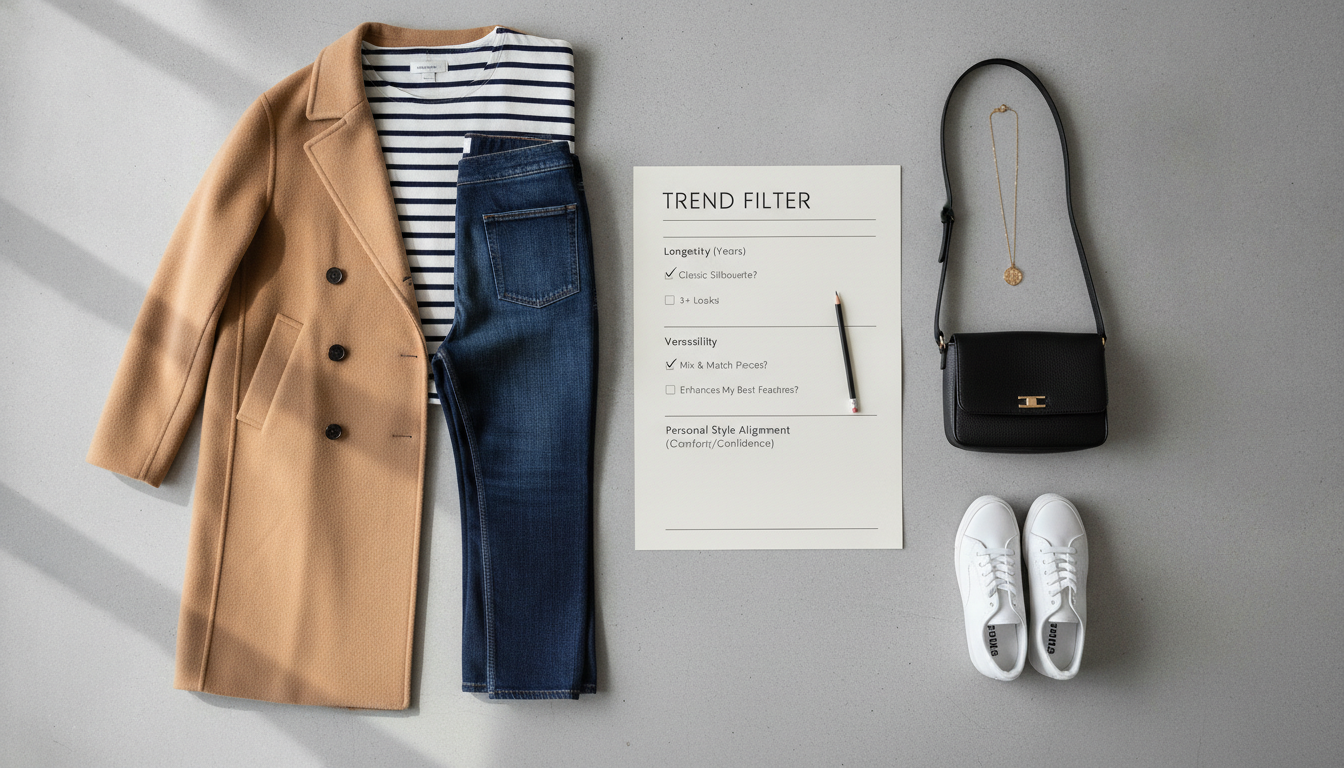
The trend filter checklist that stops regret purchases
Build a trend interpretation system that works for beginners and stylists
Beginner path: add one trend element at a time
Advanced path: reinterpret trends through personal style and client logic
Closing remarks
Explore Milan Fashion Campus styling courses that train this skill
FAQ
What is fashion trends styling?
Fashion trends styling is the skill of taking a trend and translating it into outfits that fit a specific person. Instead of copying a runway look, you adapt the color, shape, fabric, and styling details so the result matches lifestyle, budget, and comfort.
How do I follow trends without losing personal style?
Start from your “style non-negotiables” (silhouettes, colors, comfort rules), then test one trend detail at a time. If you do one thing, keep your base outfit consistent and add the trend as an accent like a shoe, bag, or color.
Is a personal style course useful for beginners?
Yes, especially if you buy often but still feel “nothing to wear.” A beginner course helps you name your preferences, spot fit and proportion issues, and build a small outfit formula. That makes trend shopping faster and cuts regret purchases.
Should I avoid trends completely?
Not necessarily. Trends work best when they match your repeat outfits and real schedule, and fail when they fight your fit needs or you only like them on other people. If you’re short on time, stick to one trend per season and ignore the rest.
How can stylists use trends with clients?
Use trends as options, not directions. Show two to three “wearable translations” of the same trend for different settings (work, weekend, events), and tie each to the client’s goals. Common mistake: overstyling; fix it by anchoring looks in their usual basics.
Get in touch