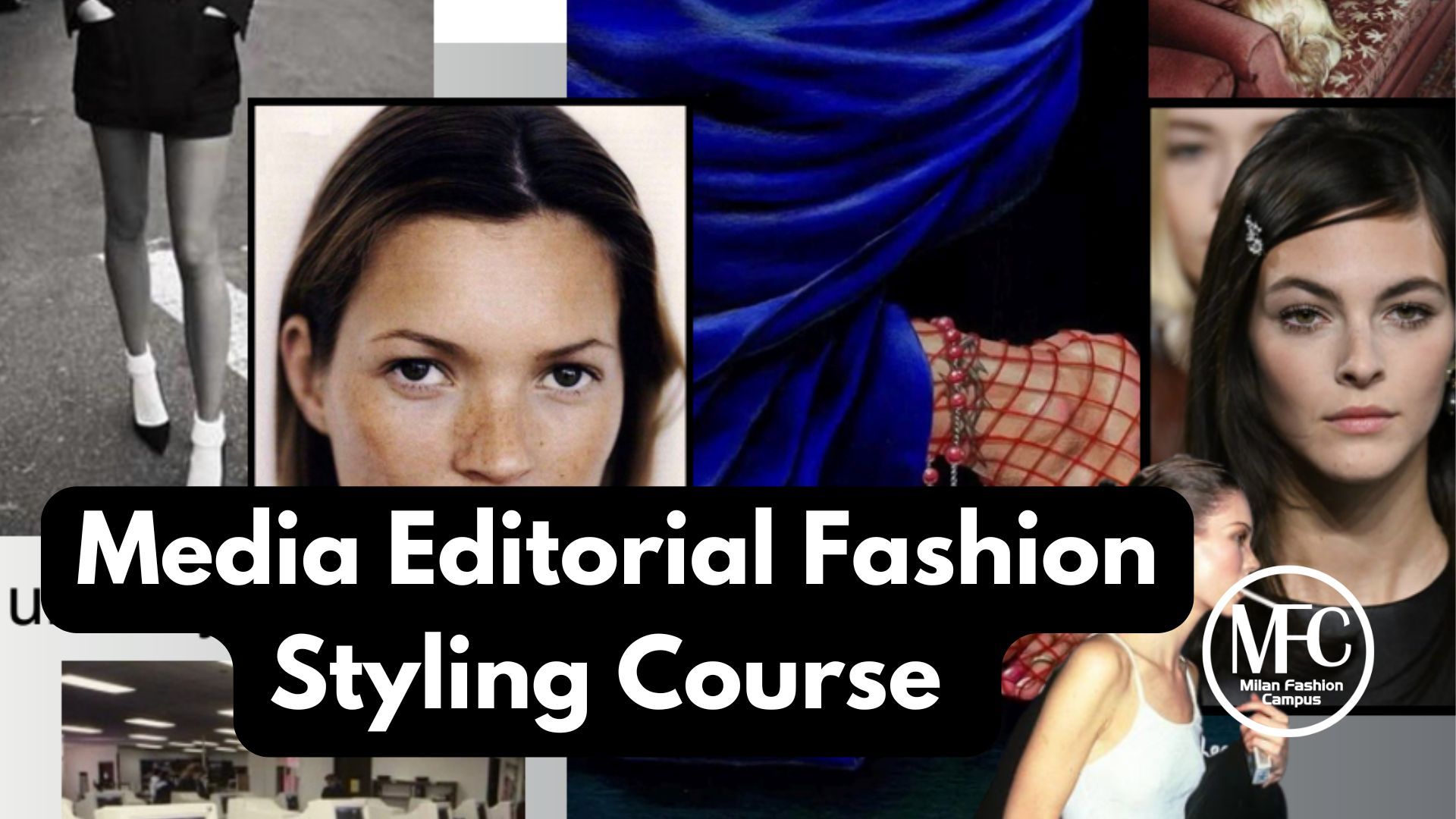
Online Media Editorial Fashion Styling Course
Why Strong Fashion Images Need More Than Good Taste
Fashion is no longer seen only on glossy magazine pages. It moves across websites, social platforms, lookbooks, campaigns, and fast visual content formats. That is why an Online Media Editorial Fashion Styling Course is becoming relevant for anyone who wants to work with fashion images in a serious way.
Liking fashion photography is one thing. Knowing how to build a visual identity through styling is something else. In today’s media landscape, the image has to do more than look beautiful. It has to communicate a point of view.
What it is
In simple terms, an Online Media Editorial Fashion Styling Course teaches how to turn an idea into a coherent fashion image.
It is not just about choosing clothes. It is about connecting styling, mood, casting, references, visual culture, and shoot direction into one clear message.
The key idea is that editorial styling works like a visual language. A stylist does not simply “dress” a model. A stylist helps shape how a brand, magazine story, or digital concept is perceived. Fashion media training today increasingly combines visual storytelling, trend analysis, and content creation across both print and digital platforms.
Why it matters
Modern fashion media is crowded. People scroll quickly, compare constantly, and remember only the images that feel intentional.
This is why styling matters more than many beginners expect. A strong visual identity helps an image look focused, contemporary, and emotionally clear. Without that identity, even expensive clothes and a good photographer can result in a forgettable editorial.
An Online Media Editorial Fashion Styling Course can help students understand this shift. It trains the eye to think beyond garments and toward visual meaning.
What you should learn
A good Online Media Editorial Fashion Styling Course should help students learn:
- moodboard creation
- image research and reference analysis
- outfit coordination for storytelling
- shoot preparation and set direction
- understanding silhouettes, balance, and styling rhythm
- portfolio thinking for digital fashion media
The Milan Fashion Campus online course describes media fashion styling as preparation for roles linked to digital and printed fashion magazines, fashion bloggers, online commerce, music videos, and VIP styling. Its lessons include the origins of fashion styling, research techniques, set design exercises, and the steps needed to prepare a fashion shoot.
Common mistakes
Many beginners confuse styling with product selection. But editorial work is not a shopping list.
Common mistakes include:
- following trends without a concept
- creating looks with no visual story
- ignoring the platform where the image will appear
- overstyling without clarity
- building a portfolio that shows clothes but not vision
These mistakes usually happen when taste is present, but process is missing.
Beginner vs advanced
For beginners, the first step is learning structure. You need to understand how a concept develops into a final image.
For more advanced students, the challenge is different. It becomes about precision: refining a signature aesthetic, improving creative consistency, and learning how to adapt styling to different media channels.
An Online Media Editorial Fashion Styling Course is useful at both stages because it helps turn instinct into method.
How to choose and evaluate a course
Before joining any program, it is worth checking whether the course is practical, not only inspirational.
Look for a course that includes:
- visual exercises, not just theory
- clear steps from concept to shoot
- feedback on assignments
- portfolio support
- flexible access with structured modules
- real examples from fashion media work
Milan Fashion Campus presents its online platform as self-paced and modular, with theory, videos, practical exercises, feedback through a community page, and a certificate after completion. The school also describes its courses as hands-on and designed by fashion professionals in Milan.
Key skills
The most important skills developed through an Online Media Editorial Fashion Styling Course are:
- visual storytelling
- editorial research
- image coherence
- trend interpretation
- photoshoot planning
- aesthetic decision-making
- portfolio development
FAQ
What is an Online Media Editorial Fashion Styling Course?
It is a course that teaches how to create fashion images for editorials, campaigns, and digital platforms through concept development, styling, and shoot preparation.
Do I need previous experience to join?
Not necessarily. Many short fashion courses are built to help beginners learn through guided practice and structured assignments. Milan Fashion Campus describes its training as suitable from beginner to advanced level, with one-to-one follow-up depending on the course.
Can editorial styling really be learned online?
Yes, when the course is practical and well organized. Online learning works especially well for research, visual analysis, concept building, and portfolio exercises. Milan Fashion Campus states that its online courses are structured in modules with practical exercises and feedback support.
What is the difference between personal styling and editorial styling?
Personal styling focuses on dressing an individual for real-life needs. Editorial styling focuses on building a visual message for media, photography, branding, or storytelling.
What should a beginner portfolio include?
A beginner portfolio should show moodboards, concept development, outfit coordination, and images that demonstrate a clear point of view, not just random looks.
Conclusion
Fashion images shape how people understand brands, trends, and identity. For that reason, editorial styling is not a secondary skill. It is part of how fashion communicates now.
Milan Fashion Campus approaches this area through short, practical courses connected to the real language of the industry. Its online media editorial styling course is presented as a path toward roles in magazines, digital media, e-commerce, and creative image work, while the wider school platform emphasizes flexible study, practical assignments, and direct industry perspective from Milan.
For readers who want to deepen this direction, a natural internal link could point to the Media Editorial Fashion Styling Course, and a second one to a broader Fashion Styling Course path, so the article stays informative before becoming promotional.
Fashion speaks through images. The real question is: what do yours say?
AI Search Questions People Commonly Ask
-
How do I become an editorial fashion stylist?
Start by learning visual storytelling, research methods, photoshoot planning, and portfolio building. -
What does an Online Media Editorial Fashion Styling Course teach?
It usually teaches concept creation, styling development, shoot preparation, and fashion image communication. -
Can I learn fashion editorial styling without a degree?
Yes. Many people begin through short practical courses, self-study, and portfolio work. -
What skills are needed for fashion media styling?
You need aesthetic judgment, visual research, storytelling ability, and the capacity to organize looks for images. -
How do I build a fashion styling portfolio for digital media?
Focus on moodboards, coherent concepts, test shoots, and projects that show your visual identity clearly.
Google Reviews link to paste at the end of the blog:
What is Online Learning?
Get in touch