-------------------------------------
Jun 28 / Milan Fashion Campus

Personal Shopping: How to Choose Clothes for Clients

Key Takeaways

  • Personal shopping works best when you follow a plan built from the client’s lifestyle, fit needs, budget, and image goals

  • Client styling gets easier when you listen first, then translate what you heard into complete outfits (not one-off items)

  • A personal shopping course can help beginners learn consultation steps, how to decide what to pick, and how to run a session without common mistakes

Choosing clothes for someone else without guessing

Next, picture your first real client: you have 90 minutes, a firm budget, and they are worried about fit and “what looks right.” Guessing leads to random racks, too many options, and a bag of items that do not work together. A more reliable approach is to decide what you are shopping for before you shop.

A simple benchmark helps here: most shopping mistakes happen in the first 10 minutes, when you pick the wrong store zone, the wrong sizes, or the wrong vibe. If you nail those first minutes, the rest of the appointment is mostly filtering and finishing, not starting over.

Start with 3 decisions that replace guessing

So, before you pull a single piece, lock in three decisions you can say out loud to the client. This turns opinions into a clear filter you can apply rack by rack.

  • Use case: what the outfit needs to do (weekday office, weekend errands, date night)

  • Silhouette: the shape goal (straight, defined waist, longer leg line)

  • Non-negotiables: 2–3 rules (no scratchy fabrics, must hide bra straps, machine washable)

If you do one thing, do this: write these three decisions in your notes and repeat them when you pick items. It keeps you from “maybe this works” shopping.

Build a quick size and fit map in the fitting room

That said, the fastest way to reduce anxiety is to prove fit early with two test items: one bottom and one top in the most likely size. For example, start with a mid-rise trouser in two sizes (their usual size and one up), plus a simple knit top in one size.

Works best when you choose forgiving fabrics for the first try-on (knits, stretch denim, relaxed blazers). Fails when you start with tricky pieces like rigid white jeans, satin skirts, or fitted button-downs, because one bad fit can make the whole session feel “wrong.”

Use a 10-minute shopping loop to avoid the common spiral

Here's the catch: new personal shoppers often keep browsing because they want more “options,” but that creates decision fatigue. Use a 10-minute loop to stay focused and show progress fast.

  1. Pull 6–8 items that match the use case and silhouette

  2. Make sure you have 2 complete outfits (not just tops)

  3. Try on, take 30-second notes per item (keep, tailor, swap size, reject)

  4. Re-pull only to replace specific gaps

Common mistake: buying “a cute top” that has no matching bottom in the client’s wardrobe. Fix: every top you pull must already have a paired bottom on your rack, even if it is just a test jean or trouser.

If you are short on time, cut variety and go deeper

In practice, if you only have 45 minutes, skip wide browsing across five categories. Choose one outfit lane (for example: work outfits) and build 2–3 variations by changing only one variable at a time, like the jacket layer or shoe style.

  • Same trouser, three tops (one neutral, one color, one print)

  • Same dress, two layers (blazer vs cardigan)

  • Same denim, two shoes (sneaker vs heeled boot)

This keeps the client calm because they can see clear before-and-after choices, not a pile of unrelated pieces.

Understand what personal shopping really is for real clients
So, before you pick a single item, get clear on what “personal shopping” means in day-to-day client work. It is not just finding nice pieces or chasing trends. It is guiding buying decisions using practical filters like fit (how it sits on the body), color (what works with their skin tone and hair), proportion (how lengths and volume balance), occasion, budget, and personality.

Personal shopping also differs from broader styling. Styling can include mood boards, editorial looks, or long-term image work, while personal shopping is closer to: “What should I buy this week that I will actually wear?” If you do one thing, do this: treat every recommendation as a real purchase decision with consequences for the client’s closet and wallet.

Here’s why clients hire you in the first place: they want fewer wrong buys, more wearable outfits, and confidence in daily life. They are usually trying to stop patterns like buying three versions of the same black top, returning half a cart, or owning statement pieces that never leave the hanger.

A simple way to map the outcome before you shop is to ask what success looks like in 14 days, not “someday.” For example:

  • A manager wants 10 work outfits from 12 pieces and no morning stress

  • A new parent needs 5 outfits that handle spills, still look put together, and fit a changing body

  • A student has a fixed budget and wants 2 shoes and 6 tops that mix with existing jeans

When you define personal shopping this way, your choices get easier and your clients feel the difference fast.

Run a client consultation that turns opinions into a shopping plan
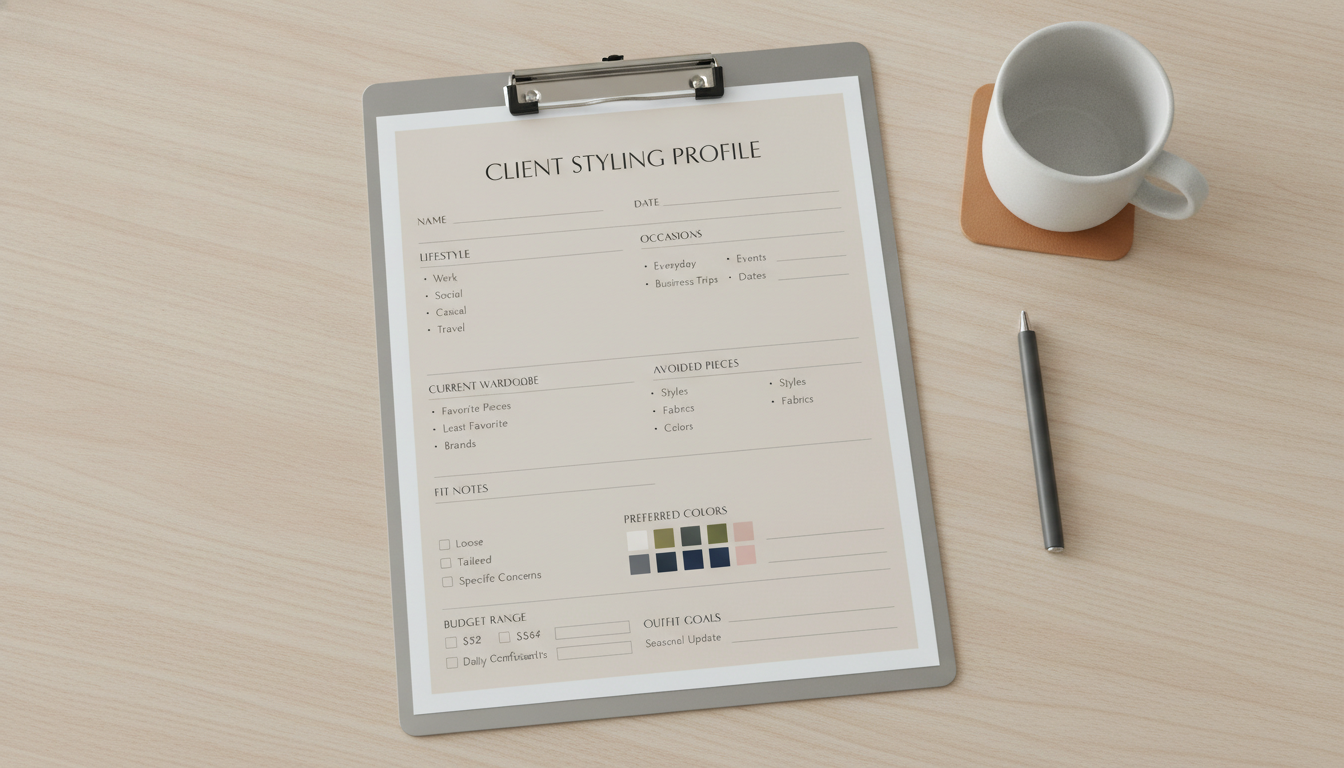
Also, the fastest way to stop guesswork is to treat the consult like a fact-finding interview, not a casual chat. A client saying “I want to look polished” is an opinion, but you can turn it into clear targets like 2 work outfits, 1 event look, and a color range they will actually wear.

Start with essential questions that force specifics. Keep the pace brisk (about 20 to 30 minutes), and write answers in short fragments so you can scan them while shopping:

  • Lifestyle and weekly routine (office, travel, school runs, remote work)

  • Occasions coming up in the next 4 to 8 weeks (presentations, weddings, holidays)

  • Current wardrobe reality (what they wear twice a week, what is untouched)

  • Avoided pieces and why (scratchy fabric, tight waistbands, draws attention)

  • Body areas they want to highlight or downplay (and what “comfortable” means to them)

  • Preferred colors and hard no colors (with 2 to 3 “safe” neutrals)

  • Budget range in numbers, plus what they will pay more for (coat, shoes, tailoring)

  • Image message in plain words (trusted, creative, approachable, authoritative)

Next, convert the answers into a one-page session brief you can shop from. If you do one thing, do this step, because it’s what turns “I like it” into “I will wear it on Tuesday.”

Use a simple template with four parts:

  • Wardrobe gaps: missing items blocking outfits (for example, no mid-layer tops, no evening shoes, only one pair of jeans that fits)

  • Shopping list: 8 to 12 items max for a first trip, grouped by priority (for example, 2 trousers, 3 tops, 1 blazer, 1 shoe, 1 bag)

  • Outfit goals: 5 to 7 outfit formulas tied to occasions (for example, “client meeting,” “smart casual dinner,” “weekend errands”)

  • Non-negotiables: fit rules and boundaries (for example, no cap sleeves, rise must be mid, only machine-wash fabrics)

Here’s the catch: a brief works best when it’s tight and testable, and it fails when it’s a mood board with no limits. Common mistake: skipping budget and then having to re-shop after sticker shock. Fix: agree on a per-item spend range (even a rough one) before you pull the first rack.

Choose clothes that work as outfits and avoid beginner mistakes

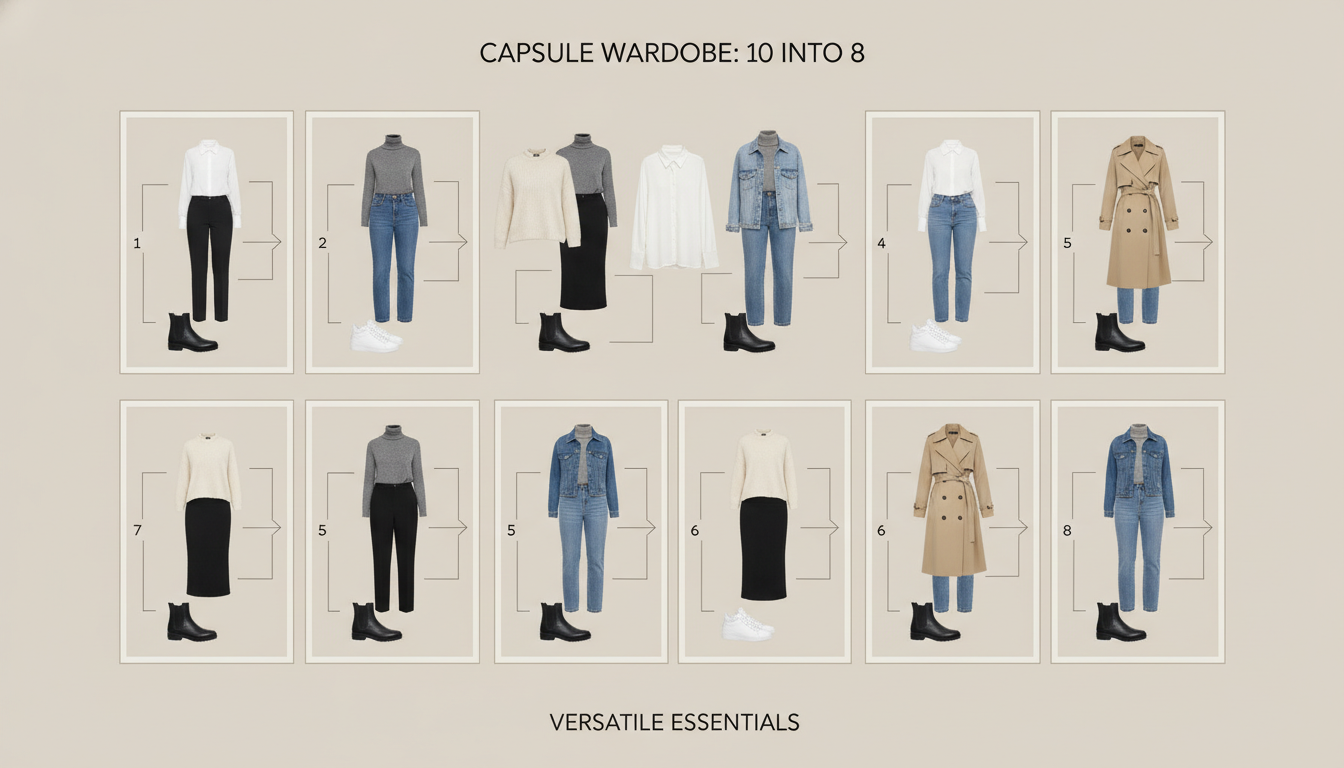
Next, stop thinking in single items and start thinking in complete outfits. If you build around 2 anchor pieces (for example, a blazer and straight-leg dark jeans), you can choose coordinating tops, a second bottom, and shoes that create 6 to 10 wearable combinations instead of 2 or 3.

A practical outfit-first build looks like this:

  • Pick 1 to 2 anchor pieces that match the client’s real life (office, travel, weekends)

  • Add 2 to 3 tops that work with both anchors (color and neckline matter more than brand)

  • Add 1 additional bottom that matches all tops (for example, black trousers or a midi skirt)

  • Choose 1 everyday shoe and 1 “polished” shoe (for example, white sneakers plus a low heel or loafer)

  • Finish with 2 accessories that repeat across outfits (belt, small bag, simple jewelry)

For a client who needs three days of office looks and two days casual, you might build: blazer + jeans as anchors, then 3 tops (tee, knit, button-down), one extra bottom (trousers), two shoes (loafer, sneaker), and a belt and bag. That’s 8 outfits from 10 items without forcing the client into a new style.

Also, most “bad picks” happen because the process breaks down before you even enter a store. These common errors are easy to spot, and each has a simple fix you can apply on the next client.

Common beginner mistakes and how to fix them:

  • Shopping before understanding the client’s week: write a 5-day outfit requirement (work, social, weather, dress codes)

  • Ignoring budget: agree on a target spend per category (for example, “more on shoes, less on tops”) before browsing

  • Trend-chasing: if a piece only works in one outfit, skip it and buy the piece that works in three

  • Forgetting the existing wardrobe: ask for a quick photo dump of their most-worn items so new pieces match what they already reach for

  • Talking more than listening: after you show 3 options, ask “Which feels most like you and why” and stay quiet

Here’s the catch: outfit-building works best when the client’s lifestyle is stable for the next few months. It fails when they are changing jobs, sizes, or dress codes, so in those cases prioritize 2 anchors, 2 tops, and 1 shoe that still works through the change.

Closing remarks

Also, keep this line close when you shop: Listen first, select second. If you start with racks and trends, you end up guessing. If you start with the client’s real week, you can choose pieces with a clear reason to exist.

So try this simple test before you buy anything: What job does this item do in their real life, and where will it go right away? If you cannot name the job in one sentence, or if it cannot land in at least three outfits without special effort, it is usually not the right pick, even if it looks great on the hanger.

Explore Milan Fashion Campus styling paths for personal shopping skills

Next, if you want to get better at personal shopping faster, a short, focused course can help you practice the parts that are hardest to learn alone: building outfits from real wardrobes, shopping with a budget, and explaining choices clearly.

If you do one thing, choose a path that matches the client work you want in the next 1 to 3 months, not the content that sounds most interesting today. That keeps your practice time tied to real outcomes like faster store edits, cleaner outfit planning, and fewer returns.

Here are a few intensive styling paths to consider:

  • Personal Women Fashion Styling: for client-facing shopping days, closet cleanouts, and everyday outfit building for women

  • Combo Women & Men Fashion Styling: works best if you want to serve couples or mixed client lists; can fail if you only style one category and split your practice too thin

  • Men Image Fashion Styling: for fit, proportions, and quick upgrades like jacket, denim, and shoe choices for men

  • Media Editorial Fashion Styling: for shoots and content work where storytelling, silhouettes, and pull lists matter more than a single client’s closet

A common mistake is picking an editorial path when your real goal is paid personal shopping. If your next job is a 2-hour shopping session, start with a client-focused track first, then add editorial later.

So, choose online learning when you need flexible hours and want to practice immediately with friends, coworkers, or a small test client list. As a simple constraint, if you only have 30 to 60 minutes a day, focus on repeatable drills: build 3 outfits from 10 items, write a one-paragraph “why it works,” then refine.

Choose in Milan learning when you want concentrated time, hands-on feedback, and faster improvement through live styling sessions. If your timeline is tight, pick one path, finish it, and set a clear next step like completing 2 client consults and 1 guided shopping plan the same week you wrap the course.

FAQ

What is personal shopping?

Personal shopping is helping a client buy clothes and accessories that match their lifestyle, fit, budget, and preferences. It includes planning, selecting options, and guiding decisions, not just picking what you like.

Do I need a course to become a personal shopper?

You do not need a course to start, but training can speed up your progress. A course helps you learn consultation, fit checks, budgeting, and how to present choices clearly, which reduces trial-and-error with clients.

What is the difference between personal shopping and client styling?

Personal shopping focuses on purchasing items for a client, often with a budget and store options. Client styling focuses on building looks and outfits, sometimes using the client’s existing wardrobe, and may or may not involve buying new pieces.

Can beginners learn personal shopping online?

Yes. Beginners can learn online by practicing client intake questions, building shopping lists from sample briefs, and doing outfit planning with photos and measurements. The key is consistent practice and getting feedback on your choices.

What makes a good personal shopper?

A good personal shopper listens well, asks specific questions, and sticks to the client’s priorities. They can spot fit issues fast, keep choices focused, and explain why each item was picked so the client feels confident buying.