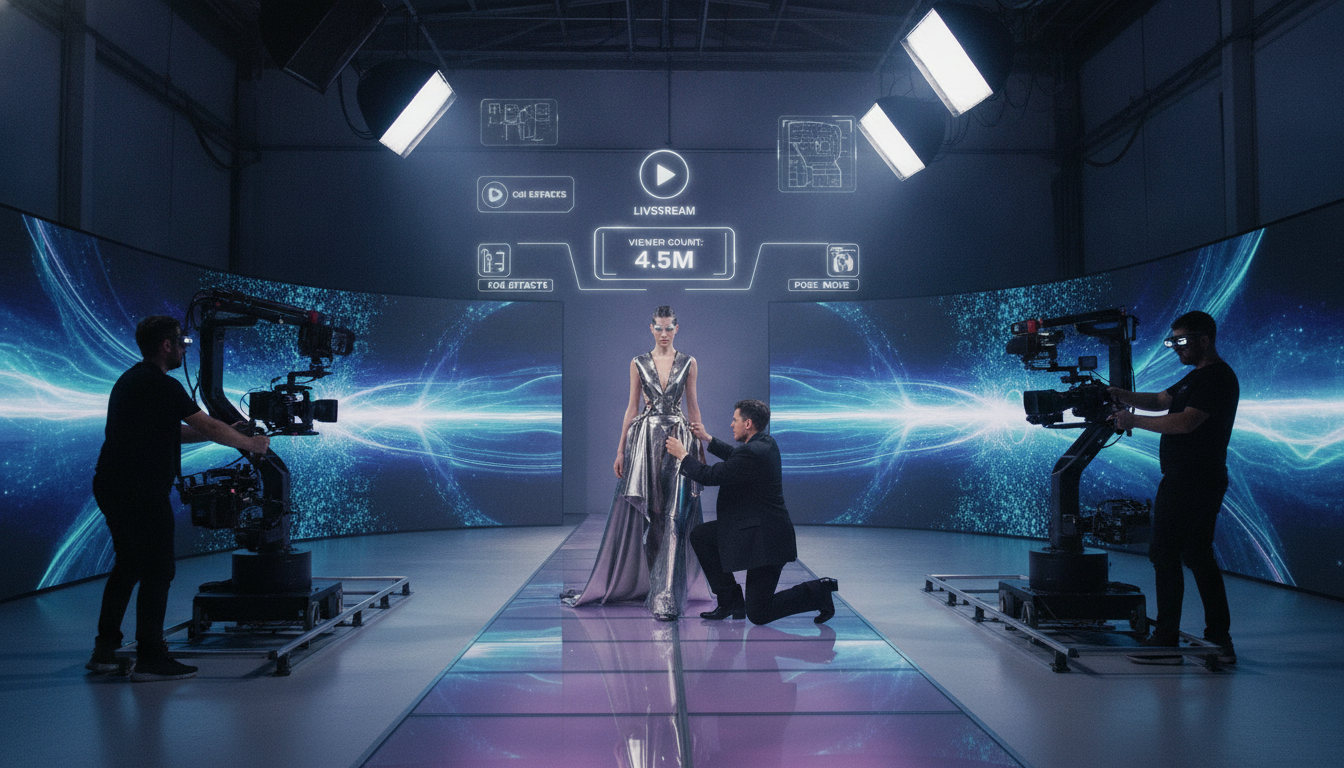
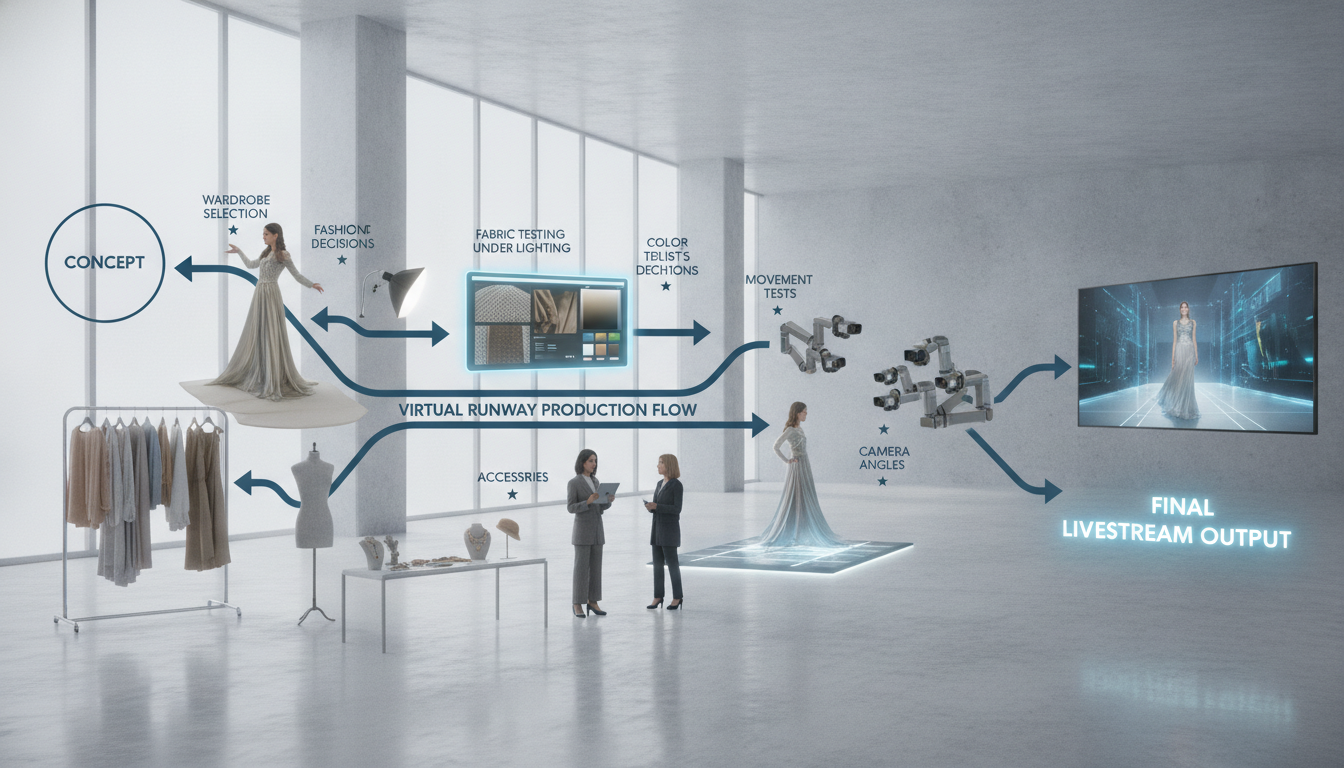
Also, once your styling fundamentals are solid, the fastest progress often comes from pairing them with digital fashion communication, the skills used to present fashion clearly on screens.
That combo helps you move from “I can style a look” to “I can style, shoot, and explain a look for a real production,” whether the output is a virtual show reel, a brand e-commerce drop, or a short campaign for social.
If you do one thing, do this learning order:
Strengthen core styling first: silhouette, proportion, color, fabric behavior, and outfit logic for a target customer
Then add digital communication: how to brief a team, plan a shot list, and adapt styling choices for camera and lighting
Here’s the catch: digital-only training without styling basics can turn into “trend copying.” Styling-only training without digital communication can leave you stuck when the job asks for a shot plan, captions, or on-set choices.
In practice, use a simple weekly routine that mirrors real work:
60 to 90 minutes: build two outfits for one clear purpose (for example, luxury evening vs. streetwear day)
30 minutes: write a short styling brief (goal, key pieces, do not use list, color notes)
30 minutes: plan 6 shots (full look, detail, back view, movement, accessories, close-up texture)
15 minutes: write 2 captions, one descriptive and one story-based
Common mistake: focusing only on “pretty pictures.” Fix it by adding production constraints, like one location, one light source, and a 10-minute model change, so your choices stay realistic.
So when you’re ready to practice with student-focused training options, you can review hands-on and online course choices on Milan Fashion Campus at https://academy.milanfashioncampus.eu/.
That said, if you want the school perspective, background, and teaching approach, you can also read about Milan Fashion Campus here: https://www.milanfashioncampus.eu/about-milan-fashion-campus