-------------------------------------
Jun 28 • Milan Fashion Campus

How to Create a Personal Styling Portfolio Online

What to include in a fashion stylist portfolio that actually builds trust

Also, trust comes from clarity, not volume. A portfolio that gets inquiries usually has a few core pages and a handful of projects that are easy to scan.

Start with these pages and keep each one short:

  • About: who you style for, your point of view, and your process in 5–8 sentences

  • Services: 2–4 offers (for example: closet edit, personal shopping, shoot styling) with what’s included and a starting price range if you can share one

  • Projects: 3–5 strong projects, not 20 mixed ones

  • Testimonials: 3–6 short quotes tied to a result (time saved, confidence, compliments, better fit)

  • Contact or booking link: one clear next step, not multiple forms

Next, make each project read like proof, not a photo dump. If you do one thing, add context that shows you can solve a styling problem for a specific person or brief.

Use this project ingredient checklist:

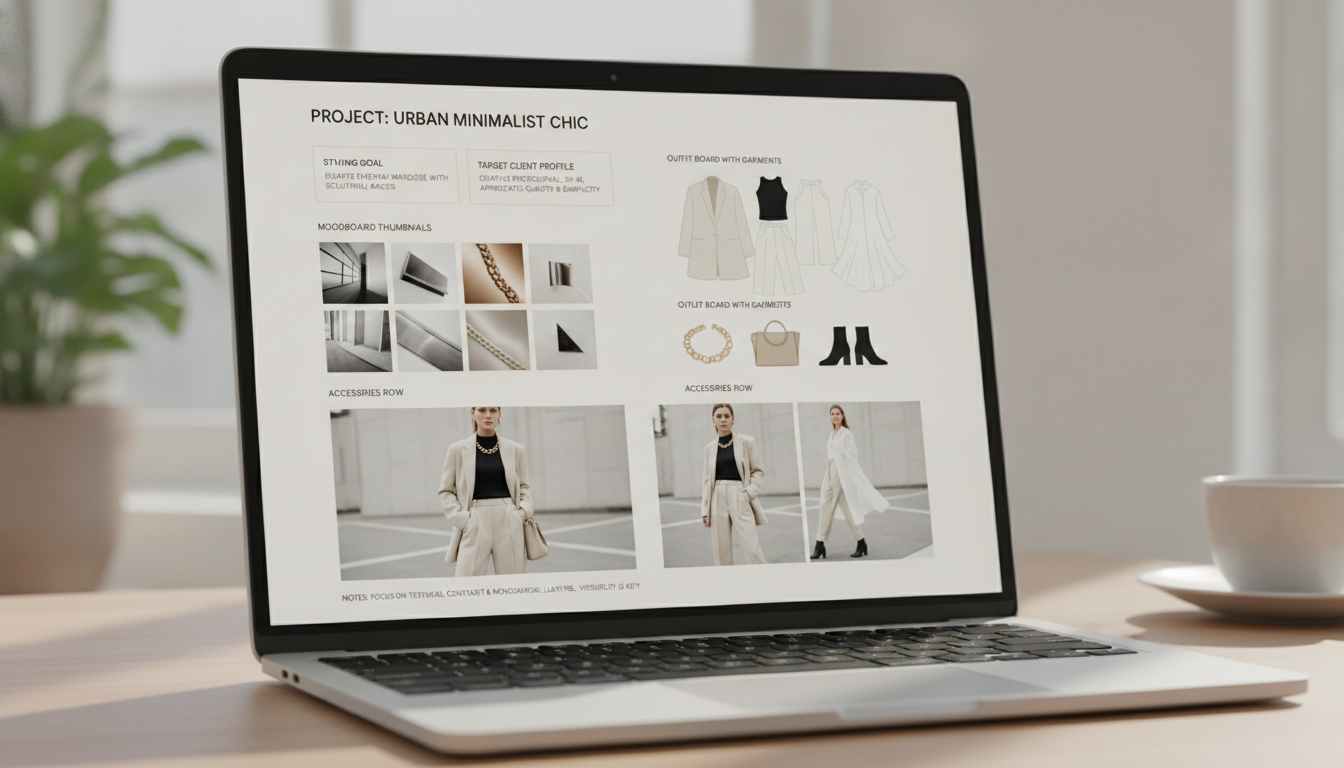
  • Styling goal: one sentence (for example: “Create 10 work outfits for a new manager who travels weekly”)

  • Target profile: role, lifestyle, budget range, fit concerns (keep it discreet and general)

  • Moodboard: 6–12 images with 2–3 keywords (clean lines, warm neutrals, sharp tailoring)

  • Outfit plan: 6–10 outfits with a simple grid or list

  • Accessories and shoes: 1–2 options per outfit category so the looks feel finished

  • Final looks: 2–5 photos or mockups that show head-to-toe results

  • Brief rationale: 3–5 short captions explaining choices (silhouette, color, proportion, practicality)

Here’s the catch: moodboards alone work best when you’re pitching an editorial vibe, but they fail when a client wants everyday results. Fix it by adding outfit plans and short captions that connect the visuals to real constraints like weather, dress code, and comfort.

Key Takeaways

  • A styling portfolio builds trust by showing both your final looks and the thinking behind them

  • Beginners should start with 3–5 structured projects that prove specific styling skills

  • A clear, organized online portfolio makes it easier for clients to understand your niche and book

Your taste is not enough when clients want proof

Picture a potential client scrolling your site between meetings. You have about 15 seconds to look “bookable,” and your personal taste alone cannot do that job, because taste is invisible unless you show it in results.

Most visitors decide to stay or leave in under 20 seconds, so your portfolio needs proof fast: clear images, clear outcomes, and a clear reason to trust you with their budget and time.

Here’s the catch: a portfolio that feels like a moodboard often fails, even if the styling is good. Clients are looking for signals that you can solve their problem, like “I need work outfits that feel current,” or “I want photos that sell my product,” not just that you like strong silhouettes.

If you do one thing, do this: make every project answer a simple question in the first screen, such as who it was for, what the goal was, and what changed after your styling.

A simple way to build proof is to select projects where the outcome is easy to see. For example:

  • A retail client: before and after outfits for a 10 item capsule wardrobe

  • A content creator: 3 looks for one shoot with clear vibe shifts (work, weekend, evening)

  • A small brand: product-on-model styling that makes the item the focus

  • A bridal client: fitting-day look plan with timeline and accessory choices

But your portfolio can fail when you pick projects only because they look trendy. Fix it by choosing projects that show repeatable decision-making, like body proportions, color matching, or dress code constraints.

If you’re short on time, publish 3 strong projects instead of 12 weak ones. Aim for one project that shows everyday styling, one that shows event styling, and one that shows image-led styling (shoot, campaign, or content).

By the end of this post, you’ll be able to choose projects, structure them the same way each time, and publish a simple personal styling portfolio online that keeps people reading and makes booking feel like the next step.

Choose a clear portfolio goal and niche so people know who you style for
Next, decide what you want your portfolio to do for you. A portfolio that tries to sell everything often reads like you are still figuring it out, which makes a client hesitate. Pick one clear goal such as booking paid personal styling clients in the next 60–90 days, getting assisting work, or landing brand shoots, then build every page to support that outcome.

Define three things in plain language: who you style for, what you sell, and what result you’re known for. For example: “I style busy women in their 30s for workwear refreshes,” “I style men who hate shopping for 10-piece capsules,” or “I style founders for on-camera appearances with a consistent look.” If you do one thing, make this line easy to find on your homepage and repeat it in every project description.

Also, choose 1–2 style directions so your work looks intentional instead of diluted. This works best when your niche matches the jobs you want now, and it fails when you pick something you cannot show with real examples. If you are short on time, skip writing a long bio and instead create a tight niche statement plus 2 projects that prove it.

Use this quick narrowing checklist:

  • Target client: age range, role, lifestyle, budget level

  • Main service: closet edit, capsule build, personal shopping, event styling, on-camera styling

  • Signature outcome: “gets dressed in 5 minutes,” “looks consistent across Zoom and in-person,” “packs a 3-day trip in one carry-on”

  • Style directions (pick 1–2): minimal tailored, romantic feminine, streetwear, classic prep, modern business

  • Proof you can show in 2 weeks: before/after outfits, a 12-item capsule, 3 looks from 1 blazer

Common mistake: calling your niche “I can do any style.” Fix it by wording your range as boundaries, such as “I work across casual to business casual, with a clean tailored base,” then show 6–10 photos that all still feel like the same stylist.

Build your styling portfolio online with a simple project template

Next, make your portfolio easy to scan by using a repeatable project layout. When every project is presented the same way, a potential client can compare results in under 60 seconds and trust that you work with a clear process.

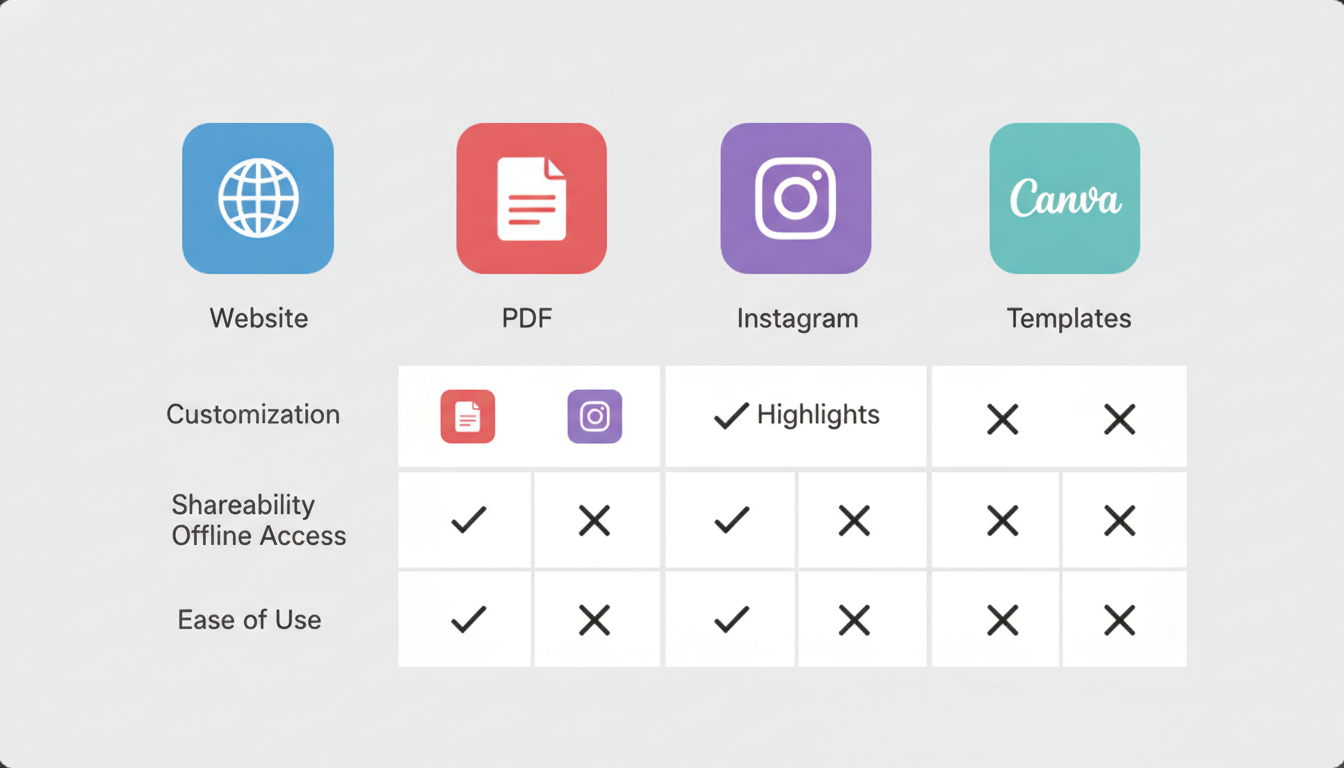
Start by choosing a format based on who you want to hire you. Pick one primary format, then repurpose it into one secondary format later to save time.

Use this quick guide to choose a format:

  • Website: best for clients who search on Google and expect a link in your bio or email signature; weaker if you cannot keep it updated monthly

  • PDF: best for sending to brands, agencies, or a busy creative director; weaker if your file is heavy or hard to view on mobile

  • Instagram highlights: best when your audience lives on Instagram and you book via DMs; weaker if highlights get messy or your best work is buried

  • Canva deck: best for a clean, scrollable presentation you can update in 15 minutes; weaker if the link permissions break

  • Portfolio platform (like a template-based gallery): best when you want a fast setup and clean layout; weaker if it looks generic or limits your branding

In practice, use one structure for every project so viewers can spot your method quickly. If you do one thing, do this: lead with the result first, then show the steps.

Simple project template (copy and repeat):

  • Project title + role (eg, "Editorial shoot styling" or "Personal styling refresh")

  • Client type + goal (1 line, eg, "Gen Z streetwear brand, needed 6 looks for a 2-hour studio shoot")

  • Before and after (2 to 6 images)

  • Your approach (3 bullets, eg, moodboard, pull list, fit session)

  • Look list (5 to 10 looks with short notes)

  • Constraints you handled (eg, budget cap, sizing range, time limit)

  • Outcome (what changed, eg, "shot list finished 20 minutes early" or "client kept 80% of pieces")

  • Credits + tools (photographer, HMU, location, sourcing tools)

  • Contact details (email plus one social handle)

That said, a strong layout still fails if the details look careless. Run a quick QA check before you publish or send.

QA checklist:

  • Image quality: no blurry photos, no screenshots, no watermarks you do not own

  • Consistent editing: same crop style and similar color across a project

  • Clear captions: each image has a simple label (look number, brief note)

  • Original work: only projects you styled, with proper credits

  • Easy-to-find contact: visible on the first screen and at the end

Closing remarks

Also, remember this line as you build: “Clarity is what makes creativity sell.” A portfolio that reads clearly helps a client understand your method in under a minute, even if they only scroll on their phone between meetings.

So pick 3–5 projects that prove how you style, not just what you like. If you do one thing, choose projects that show the same repeatable pattern: the brief, your choices, and the result.

If you are short on time, skip extra pages and publish one tight project this week using the template from the last section. A common mistake is waiting until everything feels “ready”; the fix is to ship a simple before/after with clear notes, then improve the next project in 60–90 minutes.

Next, ask yourself: Which 3–5 projects will best prove your styling method, and what is the first one you can publish this week?

Build portfolio-ready styling skills with photoshoot-based practice

FAQ

What is a styling portfolio?

A styling portfolio is a curated set of images and short write-ups that show your styling work and how you think. It helps a client see your aesthetic, your process, and the type of looks you can deliver before they book you.

Do I need professional clients to build a portfolio?

No. You can start with self-directed projects using friends, thrifted pieces, or your own wardrobe. The key is to present each project like a real job: goal, moodboard, outfit choices, and final photos.

What should a fashion stylist portfolio include?

Include 6 to 12 strong photos per project, plus context. Add your role, the brief, target client, location, and what you sourced. Showing before-and-after styling choices and a short pull list builds trust fast.

Can I create a styling portfolio online?

Yes. A simple website, a PDF hosted online, or a dedicated portfolio page can work. Keep loading fast, use clear project titles, and add contact info. If you use social media, link to one place with your best work.

How many projects should a beginner portfolio have?

Start with 3 to 5 well-finished projects. That is usually enough to show range without feeling random. If you are short on time, do 3 projects with different goals, like street style, editorial, and commercial looks.